 how-to
How to Find Stable Bakery Routes: A Buyer's Guide
Table of Contents
- What You Need to Know Before Searching for Bakery Routes
- Step 1: Identify Where Bakery Route Listings Are Posted
- Step 2: Evaluate Route Territory and Geographic Coverage
- Understanding Bakery Route Driver Jobs and Schedule Expectations
- Step 3: Verify Route Stability and Sales Claims
- Key Questions to Ask About a Delivery Route Before Committing
- Spot Bakery Route Job Red Flags That Signal Unstable Opportunities
- Step 4: Run the Financial Due-Diligence Process
- Frequently Asked Questions
Last Updated: October 12, 2026
What You Need to Know Before Searching for Bakery Routes
Searching for stable bakery routes means evaluating a business opportunity that will shape your daily work, income, and long-term stability. The difference between a thriving route and one that struggles often comes down to what you investigate before committing.
A stable bakery route delivers consistent weekly sales, reliable customer accounts, and predictable operating expenses. Routes with high customer turnover, declining sales, or territory disputes create financial uncertainty that no job should impose.
Before you start, know what you're looking for: routes where the seller can document sales history, customer relationships are established and profitable, the territory is clearly defined, and the asking price aligns with actual earnings.
At DSD Route Sales Connections, we help route drivers and sales representatives find legitimate opportunities that match their goals. Our platform connects you with employers who post verified listings, so you spend less time vetting sources and more time evaluating the business.
Step 1: Identify Where Bakery Route Listings Are Posted
Finding legitimate bakery route listings starts with knowing where to look. Not all job boards treat bakery routes equally, and some listings are outdated or disappear after a few applications.
Specialized platforms built for Direct Store Delivery professionals are your best starting point. They focus exclusively on bakery route driver jobs and similar DSD positions, attracting employers who post real, current openings.
General job boards like Indeed or LinkedIn mix legitimate opportunities with outdated listings and low-quality positions, wasting your time. Industry-specific boards eliminate that friction.
Social media groups dedicated to bakery delivery and DSD careers also surface opportunities. Facebook groups, LinkedIn communities, and industry forums often share route listings before major platforms and provide peer feedback on sellers and employers.
Direct contact with bakery distributors and manufacturers in your region can uncover unlisted routes. Call distribution centers, ask for operations managers, and inquire about routes for sale or driver openings. Many smaller distributors hire through referrals before posting online.
Local business brokers specializing in route sales sometimes list bakery routes. They charge commissions but handle vetting and paperwork, saving time if you're serious about purchasing.
Step 2: Evaluate Route Territory and Geographic Coverage
Route territory defines your work area and directly impacts weekly earnings. Understanding what territory you're actually buying is non-negotiable.
A clearly defined territory includes specific streets, zip codes, or boundaries where you'll deliver. The seller should provide a map or written description; if they can't, that's a serious problem.
Ask whether the territory is exclusive. Exclusive means no other company driver can sell to those customers; non-exclusive means you'll compete with other drivers.
Check whether the territory is growing or stable. A growing area with new retail accounts offers more upside than a mature, flat territory.
Verify that the territory supports the claimed weekly sales. Visit customer locations, drive the territory, and count retail accounts. A territory with 30 active accounts behaves very differently from one with 80, even at similar claimed sales.
Ask about customer concentration. If 50% of weekly sales come from one or two large grocery chains, your income is vulnerable if they reduce orders or switch suppliers.
Understanding Bakery Route Driver Jobs and Schedule Expectations
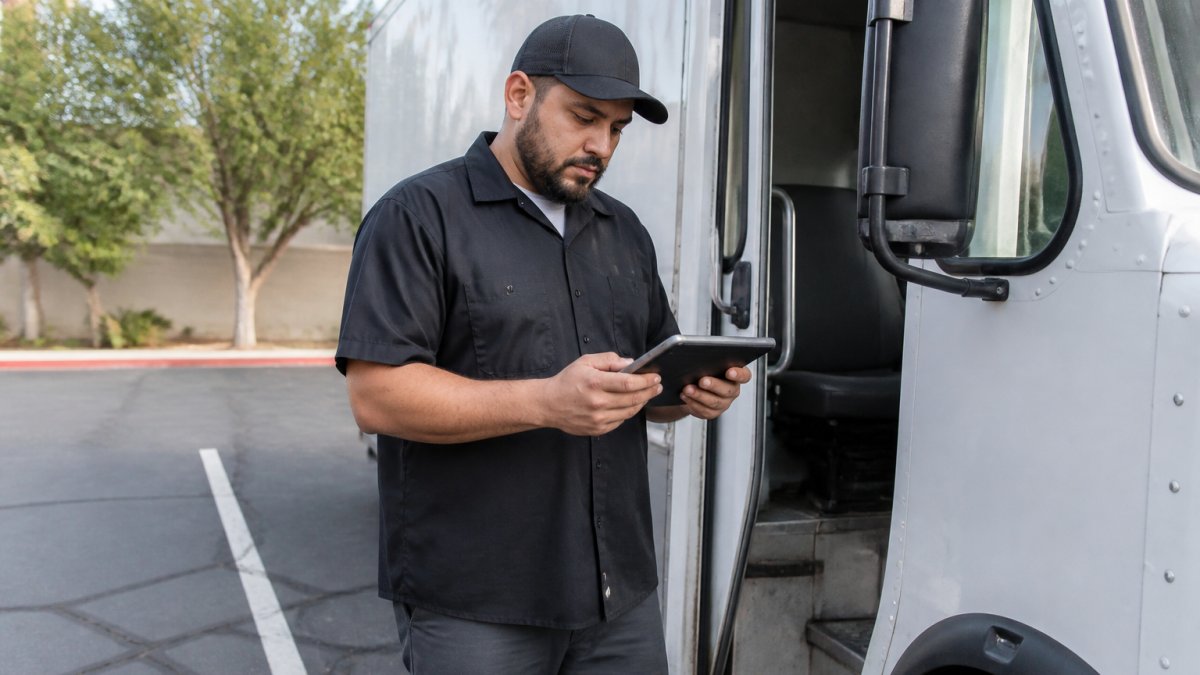
Bakery route driver jobs demand early mornings, physical work, and consistent availability. Understanding the actual schedule and workload before you commit prevents surprises and regret.
Most bakery routes start before dawn, with deliveries between 4 a.m. and 6 a.m. to stock shelves before retail locations open. This schedule is non-negotiable because bakery products must be fresh and visible when customers arrive.
Daily work includes driving, unloading products, stocking shelves, collecting payments, managing customer relationships, and handling returns. The physical demands are real: lifting cases, climbing ladders, and working in varying temperatures.
Most routes operate five to six days per week, some including weekends. Ask specifically about the schedule before committing. If family obligations or health limitations make early mornings difficult, a bakery route may not fit.
Route profitability depends on efficiency. Experienced drivers finish deliveries and return to the distribution center by early afternoon, leaving time for administrative work, rest, or a second job. New drivers take longer, reducing their effective hourly rate.
Consider the vehicle. Do you own your own or does the company provide one? Ownership means paying for maintenance, fuel, insurance, and repairs. Company vehicles shift those costs to the employer but may be less reliable.
Step 3: Verify Route Stability and Sales Claims
This is where most buyers fail. They accept the seller's claimed weekly sales without verification.
Ask for documented sales history for the past 12-24 months. Legitimate sellers provide weekly or monthly reports showing gross revenue, not just a single number.
Request customer account lists with each account's average weekly purchase volume to assess concentration. Ask about retention: how many current accounts were customers a year ago? High turnover indicates instability.
Verify sales claims by contacting customers directly. Call or visit 5-10 retail locations and ask whether they're satisfied with the current driver, what they order weekly, and how long they've been customers.
Check whether the seller has documentation of customer contracts or standing orders. Written agreements are safer; informal accounts are riskier because they can disappear without notice.
Ask about account concentration and stability. If the top three accounts represent more than 40% of weekly sales, the route is vulnerable. Long-tenured accounts are positive; newer ones could leave.
Key Questions to Ask About a Delivery Route Before Committing
Before signing any agreement or handing over money, ask these questions. The seller's willingness to answer directly and provide documentation reveals a lot about the route's legitimacy.
About the territory: What are the exact geographic boundaries? Is the territory exclusive or shared? Has the territory changed in the past two years?
About sales history: What were the last 12 months of weekly or monthly sales? Can you provide documentation? Have sales been stable, growing, or declining?
About customer accounts: How many active customer accounts are on the route? What's the average purchase per account? Which accounts represent the largest sales?
About the asking price: How did you arrive at this asking price? What's the basis for the valuation? Are there any liens or claims against the route?
About the transition: How long will you stay on the route during the handoff? Will you introduce me to major customers?
About the business: What's your reason for selling? Are you retiring, relocating, or moving to a different route? Have you owned this route for how long?
About competition: Are there other bakery routes or competitors in this territory? How do customers choose between suppliers? Is there pricing pressure?
Spot Bakery Route Job Red Flags That Signal Unstable Opportunities
Red flags appear early if you know what to look for. Recognizing unstable bakery routes before investing time or money saves you from bad decisions.
Declining sales trend: If weekly sales have dropped more than 10% year-over-year, ask why.
High customer turnover: If the seller can't name customers who've been on the route for years, accounts are unstable.
Vague territory definition: A seller who can't clearly describe the territory or won't provide a map is hiding something. Unclear territories lead to disputes and lost sales.
Unrealistic asking price: An asking price of 10-15 times claimed weekly gross revenue is inflated.
Refusal to provide documentation: Legitimate sellers provide sales records, customer lists, and financial statements. Those who refuse are hiding problems or running a scam.
Pressure to decide quickly: Real route opportunities don't disappear overnight. A seller pushing you to commit within days is likely trying to prevent due diligence.
No customer references: Ask for contact information for 3-5 major customers. If the seller refuses or says customers won't talk, that's a major red flag.
Frequent driver turnover: If the route has had five drivers in three years, ask why.
Step 4: Run the Financial Due-Diligence Process
Financial due diligence separates realistic opportunities from overpriced routes that won't deliver expected income.
Divide the asking price by average weekly gross revenue to calculate the price-to-revenue multiple. A multiple of 5-7 is typical.
Calculate expected net earnings by estimating operating expenses. Fuel typically runs 15-20% of gross revenue, maintenance and insurance 10-15%, and shrinkage (damaged or unsold goods) 3-5%.
If the route generates $1,000 weekly gross revenue and expenses are 35%, net earnings are $650 per week, or roughly $33,800 annually before taxes.
Ask about the route's debt obligations. Does the current owner have a loan? Will you assume it or pay it off as part of the purchase?
Calculate your payback period. If you pay $50,000 and net $33,800 annually, you'll recover your investment in roughly 18 months before taxes and unexpected repairs.
Request tax returns or financial statements for the past two years. These show actual earnings, not claimed earnings.
Consider growth potential. Is the territory expanding? Are new retail locations opening? Can you add accounts or increase existing volumes?
Ask about financing options. Some sellers finance part of the purchase, making the deal more accessible but tying you to the seller if problems arise. Understand the terms clearly.
Frequently Asked Questions
How do I tell whether a bakery route is stable?
Verify account retention by asking the seller for a list of customer accounts and how long each has been on the route. Request 12 months of sales records to confirm consistent weekly revenue. Check whether the route has lost major retail accounts or grocery stores in the past year. A stable bakery route maintains 80% or higher account retention and shows steady or growing sales. Ask for references from previous route owners and contact them directly about their experience.
What should I ask before accepting a bakery route job?
Ask about the delivery schedule (start time, number of stops, days worked per week), weekly sales volume and gross revenue, profit after expenses and fuel costs, customer account concentration (percentage from top 5 accounts), territory boundaries and exclusivity rights, vehicle requirements and maintenance costs, and inventory management responsibilities. Request a written summary of route operations and ask to ride along with the current driver for a full day to experience the workload firsthand.
What are the red flags in a bakery route job listing?
Watch for listings that lack specific weekly sales figures, avoid providing customer account details, promise unrealistic earnings without supporting data, show frequent ownership changes, or use vague language about route territory. Red flags include sellers unwilling to provide references, routes with high customer concentration (over 40% of sales from one account), and listings that disappear and reappear repeatedly. Be cautious of routes with declining sales trends or sellers pushing you to decide quickly without time for due diligence.
Where can I find bakery route driver jobs and listings?
Specialized job boards built for Direct Store Delivery professionals list bakery route opportunities with verified employers. DSD Route Sales Connections connects experienced route drivers with bakery distribution companies across multiple states. Check regional bakery distributors' websites directly, search LinkedIn for route sales positions, and network with industry contacts who may know of available routes. Verify any listing by researching the employer and requesting references before proceeding with the purchase or application process.
Finding a stable bakery route requires investigation, but the payoff is a business you can operate profitably. Use these steps to evaluate routes systematically. Verify sales claims, understand the territory, and run realistic financial projections. DSD Route Sales Connections connects you with verified employers and route opportunities across the country, so you can focus your energy on routes that actually fit your goals. Search our listings and start your next opportunity today.