 how-to
How to Find Legitimate DSD Driver Jobs in 2026
Table of Contents
- What Makes a DSD Driver Job Legitimate
- DSD Driver Job Requirements You Need to Meet
- Where to Find Real DSD Driver Jobs: Best Job Boards for DSD Drivers
- Step-by-Step: How to Apply for DSD Driver Jobs
- DSD Route Sales Interview Questions to Expect
- Pay, Routes, and Career Progression in DSD
- Common Mistakes That Cost DSD Drivers Good Jobs
- Frequently Asked Questions
Last Updated: September 13, 2026
What Makes a DSD Driver Job Legitimate
A legitimate DSD driver job starts with a verifiable employer, a written job description, and a hiring process that includes a background check and DOT compliance screening rather than pressure to pay or start immediately (fmcsa.dot.gov). Direct store delivery is the model where drivers deliver and often merchandise products straight to retail shelves, so real employers operate visible fleets and named distribution centers.
That definition matters because the DSD sector hires constantly, and not every listing behind it is real. A common mistake is treating a fast response as a good sign. In practice, the fastest offers are often the ones worth slowing down for.
Red Flags in DSD Job Postings
Watch for listings that hide the employer's name, quote a pay range far above local averages, or promise a route without ever mentioning a commercial driver license, endorsements, or a clean driving record. Vague logistics language with no fleet details is another warning sign. Real DSD work involves load securement, inventory management, and specific delivery routes, and honest postings say so.
How to Verify an Employer Before Applying
Verification takes about fifteen minutes. Check the company's registration status, look up its DOT number if it operates commercial vehicles, and search for the business name alongside "complaints" or "lawsuit (fmcsa.dot.gov)." A quick call to the distribution center confirms the address is real. If a recruiter cannot answer basic questions about fleet operations, the posting is probably not worth your application.
DSD Driver Job Requirements You Need to Meet
Most DSD driver job requirements come down to three things: a valid license, a clean driving record, and the physical capacity to move product. Entry-level roles often accept a standard license with on-the-job training, while larger beverage and grocery distributors require a commercial driver license. Either way, employers screen for reliability first.
License, Record, and Physical Demands
- License type: Non-CDL for smaller vans and box trucks; CDL for heavier tractor-trailer routes
- Driving record: Typically three to five years of clean history, verified through a background check (fmcsa.dot.gov)
- Physical demands: Repeated lifting of cases, loading and unloading, and hours on your feet merchandising
- Endorsements: Some routes need additional endorsements depending on vehicle class and cargo
Driver safety history carries real weight here. Employers in transportation treat a spotless record as a hiring advantage, and a single recent violation can push an application to the bottom of the pile.
Where to Find Real DSD Driver Jobs: Best Job Boards for DSD Drivers
The best job boards for DSD drivers are the ones that verify employers and post route-specific openings, not general aggregators that recycle the same listing across a dozen categories. But 'best board' is the wrong question. The right question is how to tell a real source from a dead end, because the same listing can appear on five sites with five different company names attached.
The Four Sources, Ranked by Signal Quality
| Source | Best For | Verification Level | Typical Response Time |
|---|---|---|---|
| Specialized DSD job board | Route-specific openings | Employer verified before posting | Days |
| Company career pages | Named large distributors | Direct from employer | One to three weeks |
| General job boards | Broad search volume | Self-reported by poster | Often no response |
| Word of mouth | Local and regional routes | Referral based | Immediate |
A specialized board shows fewer listings than a general aggregator, but the ones it shows are actually DSD roles. That trade-off, lower volume, higher signal, is the whole point.
How to Read a DSD Posting Like a Driver
A real DSD posting describes the work, not just the vehicle. Look for these specifics:
- Route type: Local, regional, or over-the-road, with an approximate territory
- Product category: Beverage, snack, bakery, dairy, or general merchandise
- Merchandising duties: Whether you stock shelves and build displays, or just drop product
- Pay structure: Hourly, commission, or a base-plus-incentive blend, with the split stated
- Equipment: Box truck, van, or tractor-trailer, and whether a CDL is required
- Schedule: Start time, days per week, and whether weekends are in rotation
A posting that lists none of these is not a DSD job description. It is a lead-generation ad.
What DSD Work Actually Involves
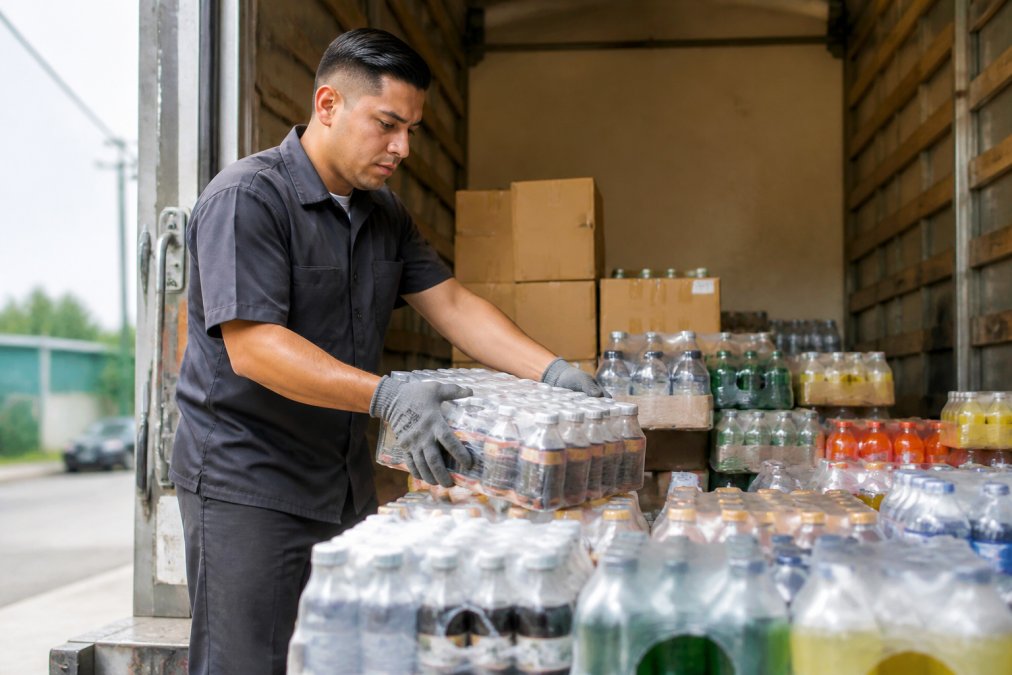
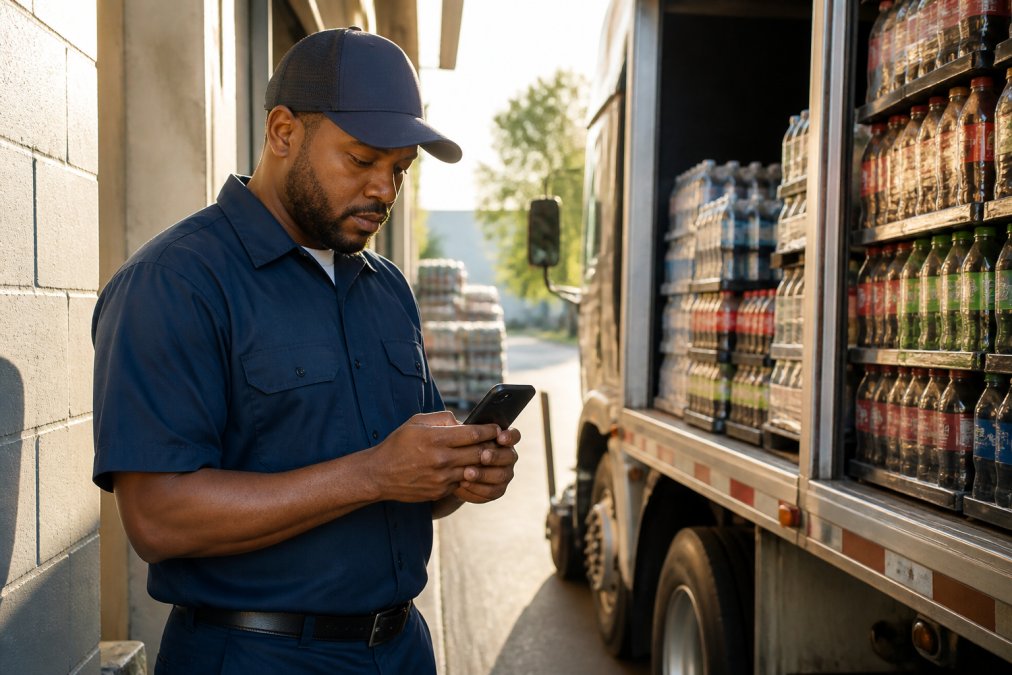
Direct store delivery is not the same as long-haul trucking, and candidates who assume it is often quit in the first month. A DSD driver typically starts before dawn, loads a route truck at the distribution center, and then makes a series of stops at grocery stores, convenience stores, and independent retailers. At each stop the driver unloads product, checks in with the store's receiving clerk, stocks shelves or a backroom, rotates product by date code, and sometimes builds a display. The driver may also take returns and reconcile inventory against the invoice.
That means the job is part driver, part merchandiser, part salesperson. You are the face of the brand in that store, and store managers remember which drivers keep their shelves full and their paperwork clean. If you want a job where you never leave the cab, DSD is the wrong fit. If you want daily home time and a route you can learn and improve, it is one of the better options in logistics.
Questions to Ask Before You Apply
- Is the route an established territory or a new one?
- Who covers the route when I take vacation?
- Is the pay guaranteed during training, and for how long?
- What percentage of the route is merchandising versus driving?
- How long has the previous driver been on this route?
That last question tells you more than any pay range. A route with high turnover is a route with a problem, whether it is the store, the manager, or the pay.
Step-by-Step: How to Apply for DSD Driver Jobs
Applying well is a process, not a single click. Follow these steps in order and you will move through the hiring process faster than candidates who spray applications everywhere.
- Confirm your license type and pull your driving record so you know what you qualify for.
- Build a one-page resume that lists route types, vehicle classes, and years of experience.
- Search a specialized DSD job board and filter by route type and location.
- Read each posting for employer name, fleet details, and pay structure before applying.
- Submit a tailored job application that names the specific route or territory.
- Prepare for the background check and employment verification by gathering your documents.
- Follow up within one week if you have not heard back.
DSD Route Sales Interview Questions to Expect
DSD route sales interview questions test whether you can handle the dual nature of the role: driving and selling. Expect questions about how you would grow sales on an underperforming route, how you handle a store manager who refuses a display, and how you manage inventory counts at the end of a shift.
Common questions include:
- How do you build relationships with store managers on your route?
- Describe a time you resolved a delivery dispute.
- How do you keep accurate inventory management records under time pressure?
- What would you do if a customer refused a scheduled delivery?
Answer with specifics. Interviewers in DSD hiring can tell within two minutes whether a candidate has actually worked a route.
Pay, Routes, and Career Progression in DSD
DSD pay typically combines an hourly wage with route-based incentives, and the structure varies by employer and territory. Local routes usually mean daily home time, while regional and over-the-road routes trade work-life balance for higher earnings. Ask directly how compensation is calculated before you accept.
Career progression in DSD is real and often faster than people expect. Many drivers move from entry-level route work into route sales representative roles, then into territory management or fleet operations supervision. The skills that get you promoted are the same ones that make you good on the road: reliability, customer service, and clean record-keeping.
Common Mistakes That Cost DSD Drivers Good Jobs
The most expensive mistakes happen before the interview. Applying to unverified listings wastes weeks, and a sloppy resume that omits your license class or route experience gets filtered out automatically. Failing to prepare for the background check, or leaving gaps in employment history unexplained, stalls offers that were otherwise secure.
- Applying to every listing without checking the employer
- Leaving license type and endorsements off the resume
- Ignoring physical demands until the first shift
- Skipping the follow-up after an interview
- Accepting the first offer without comparing route type and pay structure
One more mistake worth naming: treating a general job board as your only source. Specialized boards exist precisely because DSD hiring has requirements that generic listings do not capture.
Finding legitimate DSD driver jobs comes down to knowing what a real posting looks like and where to look for it. DSD Route Sales Connections was built for exactly this, connecting experienced route drivers and sales representatives with top employers across beverage, snack, bakery, and general merchandise. Search jobs on a platform designed for the DSD sector, apply directly with no middlemen, and find route work that fits your life.
Frequently Asked Questions
Do DSD drivers need a CDL?
It depends on the vehicle and route. Many local DSD routes use box trucks or smaller vehicles that only require a standard driver's license and a clean driving record. Larger beverage or grocery routes with heavier vehicles often require a Commercial Driver License (CDL), sometimes with endorsements. Job postings typically state which license class applies, so check each listing carefully before applying.
How can I tell if a DSD driver job posting is a scam?
Watch for requests for payment, vague company names with no verifiable address, and pressure to provide sensitive personal data before an interview. Legitimate employers will have a real business presence, a clear job description, and a structured hiring process. Cross-check the company on state business registries, look for a physical address, and confirm the recruiter's identity through a direct phone call before sharing documents.
What DSD route sales interview questions should I prepare for?
Expect questions about your experience with merchandising, inventory management, and customer service at store level. Interviewers often ask how you handle damaged product, resolve disputes with store managers, and manage tight delivery windows. Prepare examples of how you have improved route efficiency or reduced out-of-stocks. Familiarity with DOT compliance and load securement basics also helps you stand out.
Is DSD driving better than OTR trucking?
DSD routes typically keep drivers home daily with predictable start times, while over-the-road (OTR) work involves longer hauls and extended time away. DSD roles often include physical merchandising and direct customer interaction, which suits drivers who prefer active work and regular store relationships. Pay structures vary, with some DSD positions offering hourly wages plus performance incentives, so compare total compensation packages rather than just base rates.