 listicle
5 Best Practices for Route Sales Success
Last Updated: November 4, 2026
Quick Summary
Route sales success comes from disciplined daily habits rather than a single trick. Reps who hit their numbers plan each day before it starts, rank accounts by revenue, treat every store visit as a sales opportunity, and measure results against clear numbers. Better territory alone does not drive results.
- Rank accounts by average order value and visit frequency, then schedule high-value stops early in the day.
- Use each visit to learn what the store manager needs and follow up on every promise made.
- Check the last order and stock gaps before each visit, then rotate stock and face the shelf.
- Track revenue per stop, order accuracy and in-stock rate rather than total cases delivered.
- Choose route technology that supports offline order entry and syncs when connectivity returns.
Table of Contents
- 1. Plan Your Route Around Customer Value, Not Just Mileage
- 2. Build Customer Relationships Through Every Visit
- 3. Execute Store Visits With Merchandising and Order Discipline
- 4. Track the Right Route Sales Performance Metrics
- 5. Use Field-Ready Technology to Support Better Selling
- Putting These Practices to Work on Your Next Route
- Frequently Asked Questions
Route sales is one of the few retail jobs where the sales floor drives out to meet the customer. A direct store delivery (DSD) representative visits each account on a fixed schedule, takes the order, stocks the shelf, and moves on. The reps who hit their numbers are rarely the ones with the best territory. They are the ones who run their day with discipline.
Route sales success is not a single trick. It is the sum of small, repeatable habits: planning the day before it starts, treating every visit as a sales opportunity, and checking results against clear numbers. The five practices below cover the full cycle of a route, from planning to the technology that supports it.
Quick Picks:
- Plan around account value: Prioritize stops that generate revenue, not just the shortest drive.
- Build relationships: Use each visit to learn what the store owner needs.
- Execute the visit: Merchandise, stock, and capture the order every time.
- Measure the right numbers: Track revenue per stop and order accuracy, not only total cases.
- Use field-ready tools: Choose technology that works offline and at the shelf.
1. Plan Your Route Around Customer Value, Not Just Mileage
Plan the week around which accounts generate the most revenue per stop, then sequence the drive around them. Check how independent and company-owned routes differ before you set your account priorities.
A practical method: rank each account by average order value and visit frequency, then build the route so high-value stops fall at the start of the day when the rep is freshest. Review the ranking monthly, since store performance shifts with seasons and local competition.
2. Build Customer Relationships Through Every Visit
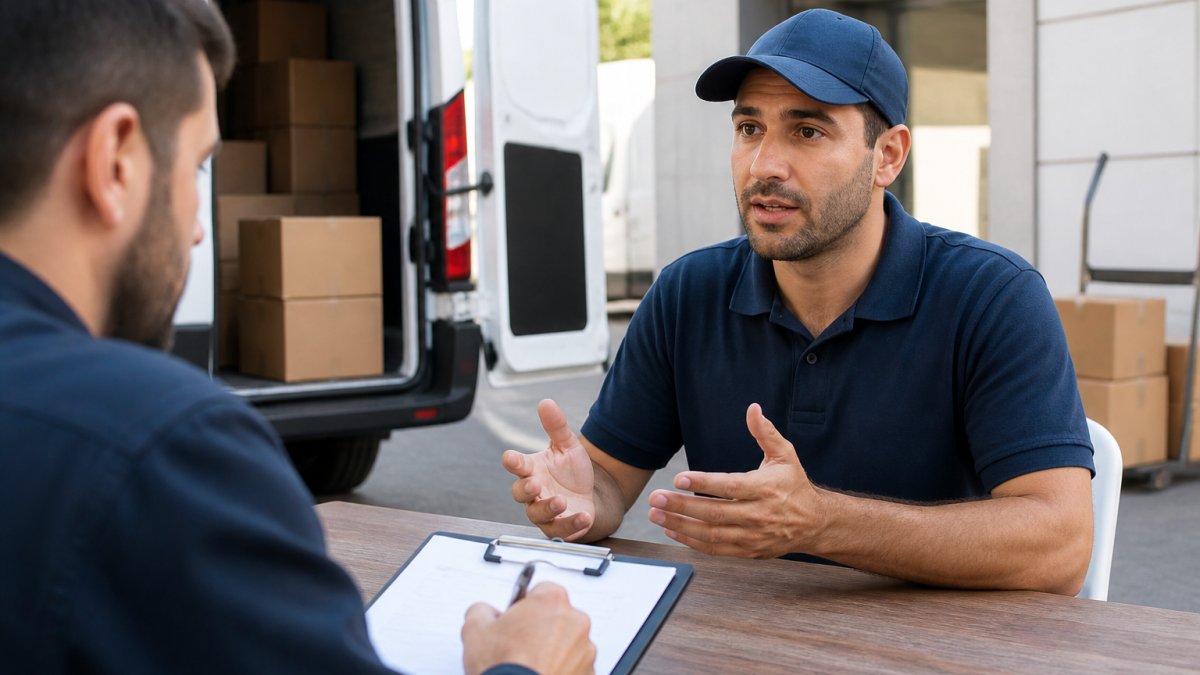
A route is built on repeat contact. Store managers buy from the rep they trust, so every visit should leave a clear reason for the manager to see you next time. Ask about upcoming promotions, local events, and what sold well or poorly since the last visit.
Personalize each conversation with specific product knowledge. Follow up on anything you promised, such as a restock date or a product trial, because a missed follow-up costs more trust than a slow visit.
3. Execute Store Visits With Merchandising and Order Discipline
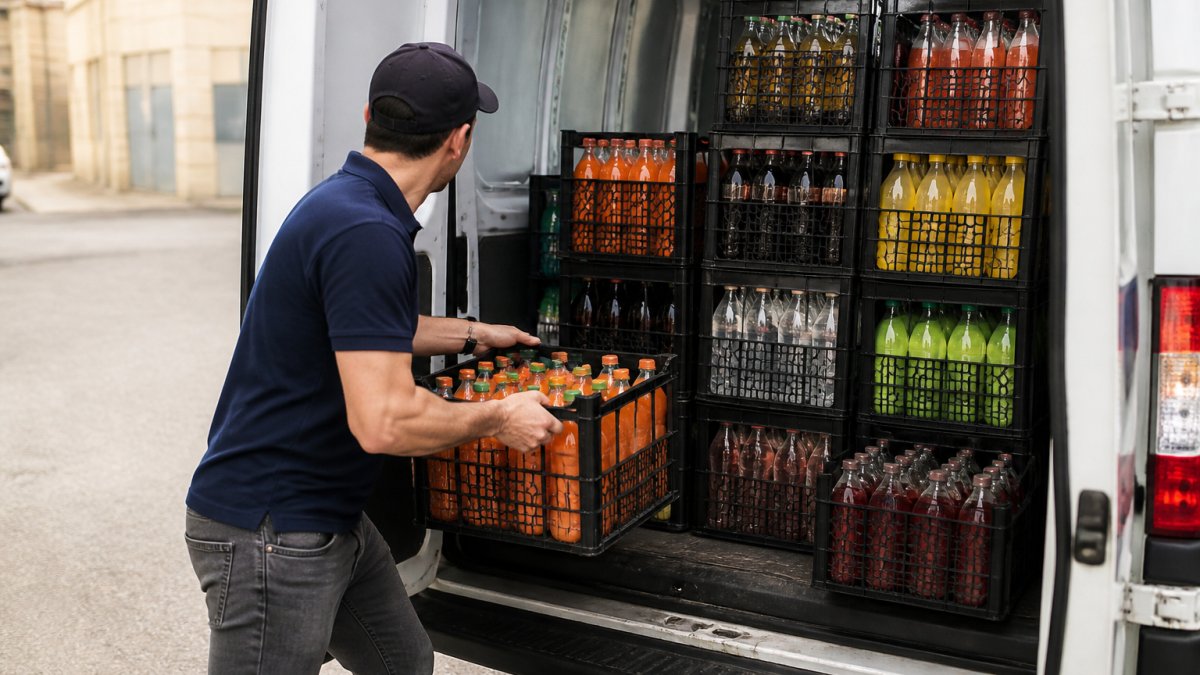
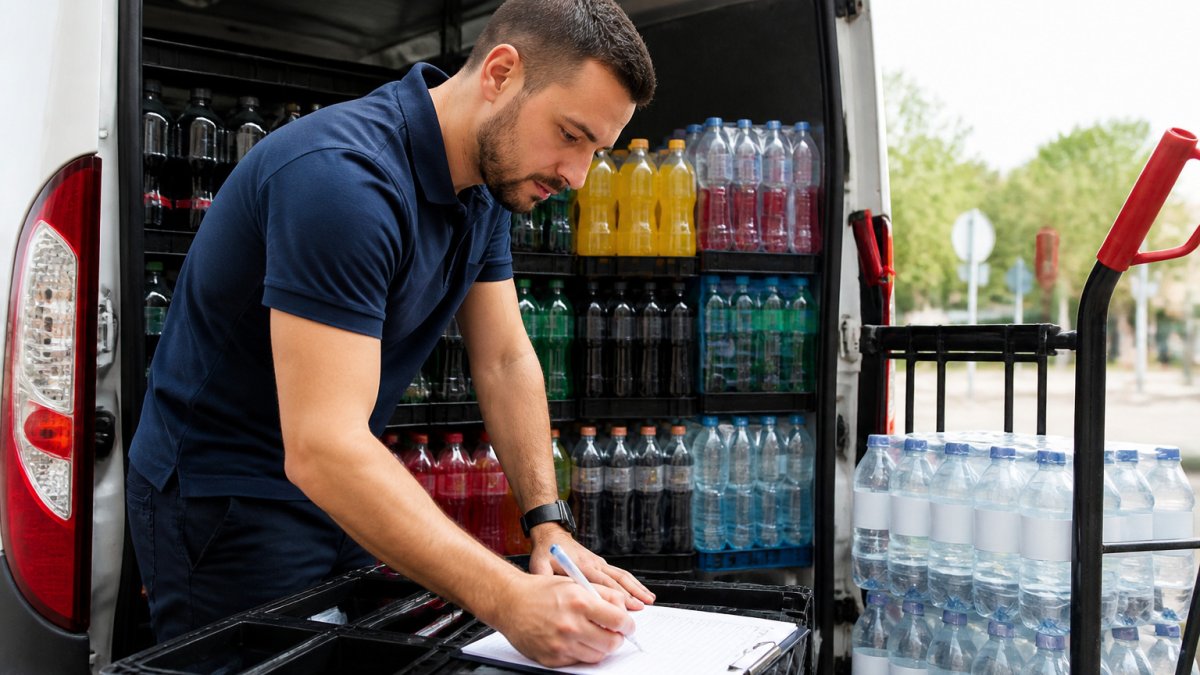
The visit is where route sales are won or lost. Plan each stop before you walk in: check the last order, note stock gaps, and identify the product mix the store should carry. Review the route physical requirements that shape daily store-level work. Then rotate stock, face the shelf, and place displays where customers will see them. See the beverage delivery physical requirements for what stocking these routes involves.
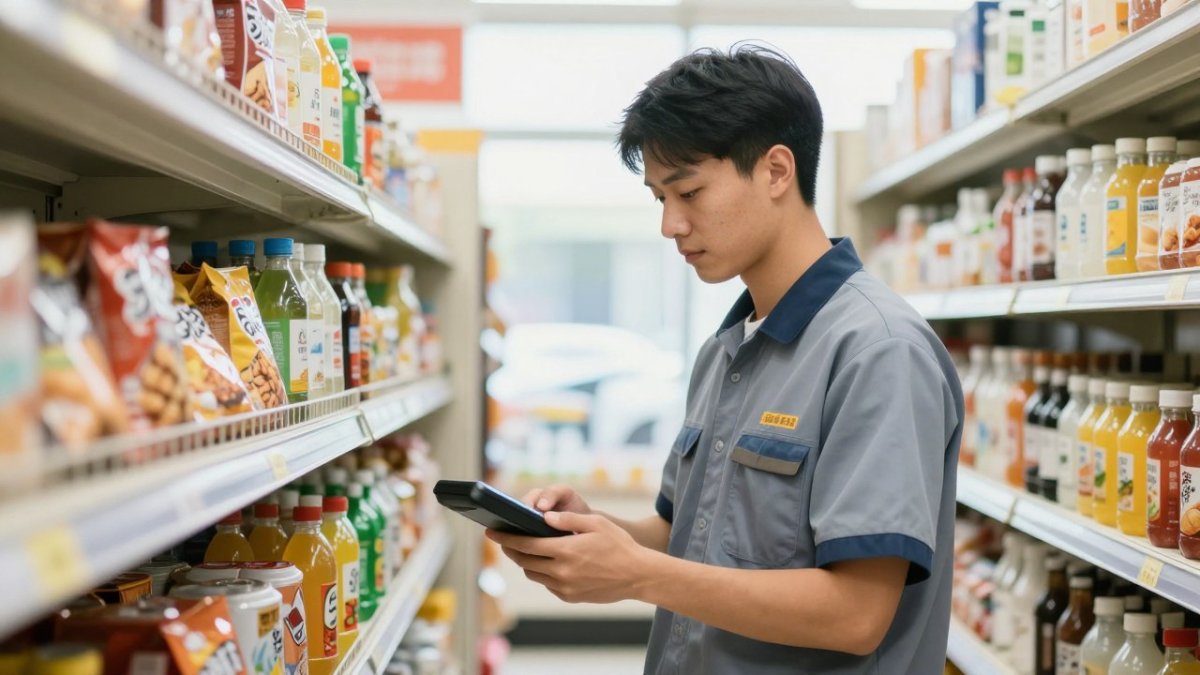
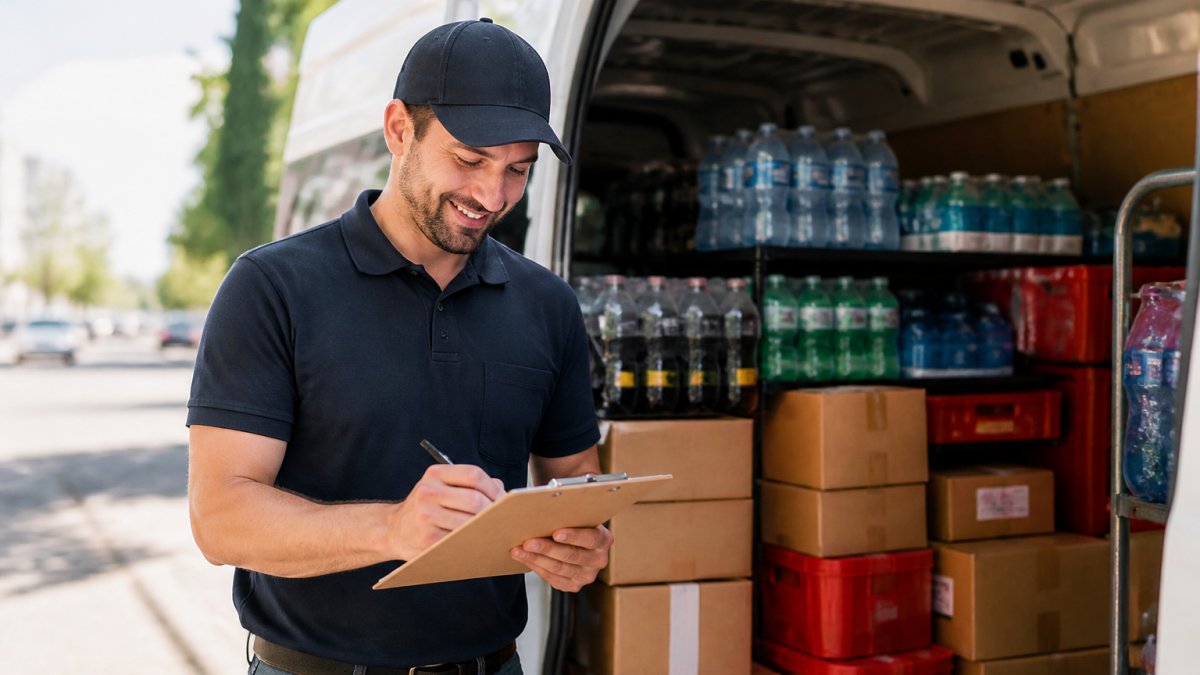
Capture every order accurately. Errors in quantity or product create returns and erode the account. When a visit fails, because the manager is out or the store is closed, reschedule it the same day if you can, and log the reason so the next visit starts informed.
The article's visit checklist can be scanned at a glance:
| Stage | What to do | Timing |
|---|---|---|
| Before the visit | Check last order, note stock gaps, plan product mix | Before walking in |
| During the visit | Rotate stock, face the shelf, place displays | At each stop |
| Order capture | Record quantity and product accurately | Every visit |
| Missed visit | Reschedule same day and log the reason | Same day |
4. Track the Right Route Sales Performance Metrics
Total cases delivered is a weak measure on its own. A stronger scorecard tracks revenue per stop, order accuracy, in-stock rate on your key products, and the percentage of visits that produce an order.
Use the numbers to decide where to act. If revenue per stop is high but order frequency is low, the account may be under-served. If in-stock rates drop on one product, check whether the shelf space or the reorder point needs adjustment. Sales goals should follow from data your team can actually see.
5. Use Field-Ready Technology to Support Better Selling
Route tools only help if they work where reps work: in parking lots, back rooms, and stores with weak signal. Look for software that supports offline order entry, syncs when connectivity returns, and shows account history on the device.
Keep the tool simple. A rep who spends ten minutes on data entry at each stop will skip it under pressure. Choose a system the team will use every day, and train on the workflow your reps follow, not on every feature the vendor offers.
Putting These Practices to Work on Your Next Route
Start with one change this week. Re-rank your accounts by revenue, prepare a short visit plan for each stop, and review your scorecard at the end of the week. Small gains compound across a route,
If you are building a route team or looking for experienced DSD professionals, DSD Route Sales Connections links route drivers and sales representatives with employers in the Direct Store Delivery sector. Search jobs on our platform to find roles that match your route experience. Strong route sales also depend on making each delivery run efficient, so teams can optimize delivery routes and spend less time covering empty miles.
Frequently Asked Questions
What are the best practices for route sales success?
The most useful route sales practices are planning routes around customer value, building steady relationships at every visit, executing merchandising and order capture carefully, tracking a small set of performance metrics, and using field-ready tools that work offline. Together these habits help reps protect existing accounts while finding new sales on each stop. Start with one practice, measure its effect on revenue per stop for a few weeks, and then add the next.
How should a route sales representative plan a daily route?
Sort stops by account value, delivery windows, and known reorder patterns before leaving the depot. Group nearby stores to reduce drive time, and leave room for unplanned requests and failed visits. Review the previous day's notes so you know which accounts need a follow-up call or a product push. A plan that accounts for both sales potential and travel time usually produces more orders per day than one built on mileage alone.
What metrics should route sales representatives track?
Useful route sales metrics include revenue per stop, average order value, order frequency by account, route adherence, and the share of visits that result in an order. Track sales against your assigned targets each week and watch for accounts whose volume is declining. Metrics are most helpful when reviewed regularly with a manager, because a trend over several weeks shows more than a single good or bad day.
How can route sales software improve route performance?
Route sales software can capture orders in the field, track commissions, flag slow-moving products, and show which stops are most profitable. Pricing for route sales software varies by vendor, so request current pricing directly from each provider. Choose software that works offline if your routes include areas with weak connectivity.