 how-to
Early Morning Route Sales Job Benefits: A Complete Guide
Table of Contents
- What Route Sales Representatives Actually Do
- Route Sales Representative Salary and Pay Structure
- Route Sales Job Schedule: Early Starts and Shift Realities
- Core Route Sales Representative Benefits Package
- Direct Store Delivery Jobs: Performance Bonuses and Incentives
- Health, Sleep, and Work-Life Balance Considerations
- How to Evaluate and Compare Route Sales Job Offers
- Frequently Asked Questions
Last Updated: October 15, 2026
What Route Sales Representatives Actually Do
A route sales representative is a field-based sales professional who manages a designated customer route, delivering products and building relationships with retail locations. Unlike traditional inside sales roles, route sales reps spend their entire workday visiting stores, restocking shelves, taking orders, and solving customer problems on site.
The job combines delivery, merchandising, and direct sales. You might start your day loading a truck at 4 a.m., arrive at your first stop by 6 a.m., and spend the next 8-10 hours visiting 15-30 accounts.
This isn't a desk job. Route sales representatives work in beverage distribution, snack foods, bakery products, and general merchandise. The role demands reliability, basic math skills, and the ability to build customer relationships on the fly.
Physical demands are real. You'll lift cases, climb ladders, and work in varying temperatures. Most routes require a valid driver's license and a clean driving record. Some positions demand a Commercial Driver's License depending on vehicle size and load weight.
Route Sales Representative Salary and Pay Structure
Route sales representative salary varies by employer, region, and experience level. Most positions offer hourly pay rather than straight commission, which provides stable income even during slower periods.
Hourly rates typically range from $16 to $22 per hour for entry-level positions, with experienced reps earning higher wages. Your actual take-home pay depends on:
- Base hourly wage
- Overtime eligibility (many routes exceed 40 hours weekly)
- Performance bonuses tied to sales targets
- Safety incentives for accident-free driving
- Fuel allowances or vehicle stipends
Many employers structure compensation to reward consistency. You earn steady base pay for showing up and executing your route, then earn additional bonuses when you hit sales targets or maintain perfect safety records. This hybrid approach means your paycheck isn't entirely dependent on hitting a single metric.
Overtime is common in route sales. If your route runs 10 hours daily, you'll accumulate 10 hours of overtime weekly. Overtime pay is typically 1.5 times your base rate, which significantly increases annual earnings for full-time route positions.
Route Sales Job Schedule: Early Starts and Shift Realities
Early morning start times define route sales job schedule work. Most routes begin between 4 a.m. and 6 a.m., with warehouse prep starting even earlier. Your alarm goes off when most people are still sleeping.
Why so early? Retail stores open early. Convenience stores, grocery stores, and gas stations need their shelves stocked before customer traffic peaks. By starting at dawn, you finish your route by mid-afternoon, leaving time for administrative work, route planning, and personal commitments.
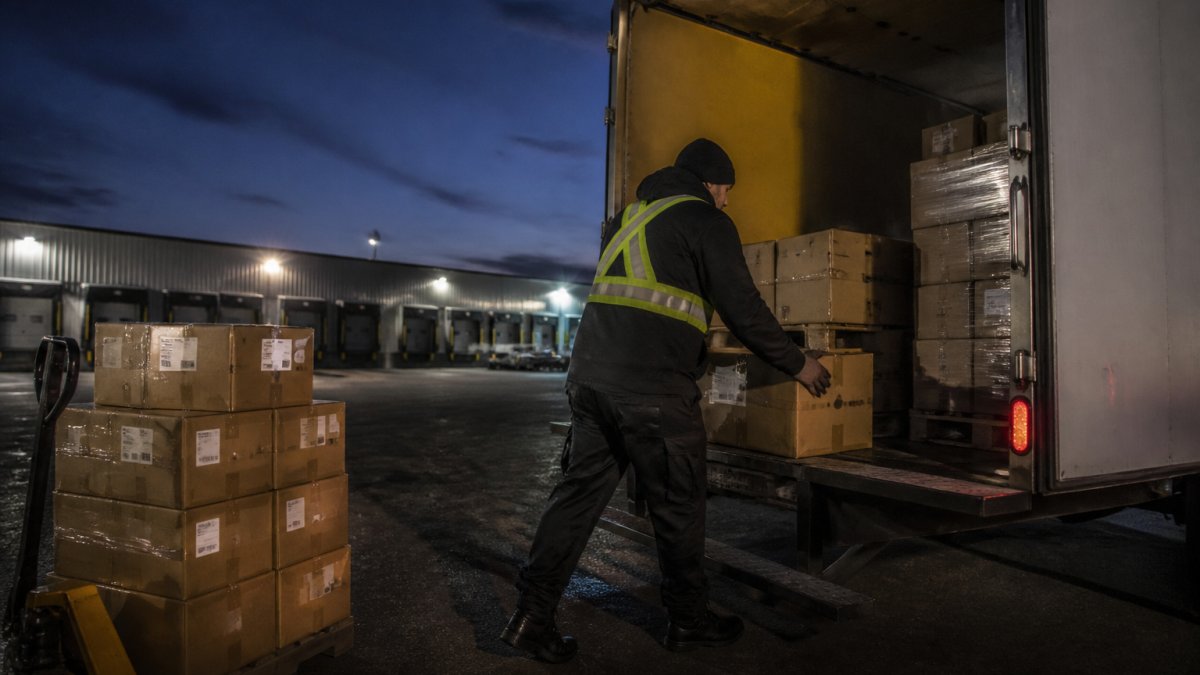
A typical day looks like this:
- 4:00 a.m., Arrive at warehouse, clock in
- 4:30 a.m., Load truck with assigned products
- 6:00 a.m., First customer stop
- 6:30 a.m. to 3:00 p.m., Visit 15-30 accounts, stock shelves, take orders
- 3:30 p.m., Return to warehouse, unload, file paperwork
- 4:30 p.m., Clock out
Most full-time positions run 50-55 hours weekly. You're working a 10-hour day plus commute time. Part-time routes typically run 30-40 hours, often split between morning and afternoon shifts.
The early schedule has real trade-offs. You finish work by mid-afternoon, which sounds appealing until you realize you need to be asleep by 8 p.m. to function. Weekend plans get limited because you're exhausted by Friday.
Core Route Sales Representative Benefits Package
Most established employers offer a route sales representative benefits package that goes beyond base pay. The specific benefits vary widely, but core offerings typically include medical insurance, retirement plans, paid time off, and performance incentives.
Smaller distributors may offer limited benefits, while larger regional and national companies provide more comprehensive packages. Understanding what's included matters, total compensation includes salary plus benefits, and benefits can add significant value to your annual earnings.
Medical, Dental, and Vision Coverage
Health insurance is standard for full-time route sales positions. Most employers offer medical coverage with employee premium contributions. Plans typically cover preventive care, doctor visits, emergency services, and prescription medications.
Dental coverage is often included, covering routine cleanings, exams, and basic procedures. Vision coverage usually includes eye exams and discounts on glasses or contacts.
Many employers also provide life insurance and disability coverage. Life insurance protects your family if something happens to you. Short-term disability covers partial wages if you're injured and can't work temporarily. Long-term disability provides ongoing income support for serious, extended injuries.
Part-time positions often exclude health benefits. If you're working part-time, verify whether you're eligible for coverage before accepting the role.
Retirement Plans and 401(k) Options
A 401(k) plan is common at larger distributors and national companies. These employer-sponsored retirement accounts allow you to contribute pre-tax dollars, reducing your current taxable income while saving for retirement.
Many employers offer matching contributions, they match a percentage of what you contribute, typically up to 3-6% of your salary. This is free money. If your employer matches 3% and you contribute 3%, they add an extra 3% of your salary to your retirement account.
Vesting schedules determine when the employer's matching contributions become yours. Some employers vest immediately. Others use a gradual schedule where you earn ownership over 3-5 years. If you leave before vesting completes, you forfeit the unvested portion.
Smaller companies may offer SIMPLE IRA plans instead of 401(k)s. These work similarly but have lower contribution limits and simpler administration.
Paid Time Off and Leave Policies
Paid time off policies vary significantly. Full-time positions typically offer 10-15 days annually, split between vacation, sick leave, and personal days. Some employers combine all time into a single paid time off bucket. Others separate vacation from sick leave.
Holidays are usually paid. Most employers recognize 6-8 national holidays annually. Some regional companies add local or industry-specific holidays.
Many employers require you to use PTO during your first year before accumulating additional days. After 3-5 years, you may earn additional days. Some employers cap total PTO accumulation, requiring you to use days or lose them annually.
Unpaid leave for serious illness or family emergencies is often available through FMLA protections, though this depends on employer size and specific circumstances.
Direct Store Delivery Jobs: Performance Bonuses and Incentives
Direct store delivery jobs frequently include performance-based compensation beyond base pay. These bonuses reward sales growth, customer retention, and operational excellence.
Sales bonuses tie to revenue targets. If your route generates $50,000 monthly and you hit a $55,000 target, you earn a bonus.
Safety bonuses reward accident-free driving and safe work practices. These might pay $100-300 monthly if you maintain a clean safety record.
Profit sharing programs distribute company profits to employees. If the company has a strong year, employees receive a share. Profit sharing is less common in smaller distributors but standard at many regional and national companies.
Customer retention bonuses reward keeping accounts active and growing. If you maintain all your accounts and increase sales at 80% of them, you earn additional compensation. This aligns your interests with the company's growth.
Performance metrics matter. Understand exactly how bonuses are calculated before accepting a position. Ask for written documentation of bonus structures, payment timing, and any conditions that might disqualify you from earning bonuses.
Health, Sleep, and Work-Life Balance Considerations
The early morning schedule creates genuine health challenges. Your body runs on a different rhythm than most people. Sleep quality often suffers because you're fighting your natural circadian rhythm.
Research shows that early shift workers face higher rates of sleep disruption. You might sleep 7 hours but wake feeling unrested because you're sleeping against your body's natural schedule.
Physical demands compound the fatigue. Lifting cases, climbing ladders, and walking 20,000+ steps daily creates muscle soreness and joint stress. Combined with early wake times, recovery becomes difficult.
Social isolation is real. Your friends work standard hours. Weekend plans start when you're exhausted. Relationships suffer because you're sleeping when others want to socialize.
Some people thrive on early schedules. If you're naturally a morning person, the routine feels natural. You finish work early, have afternoons free, and sleep well at night.
Evaluate your personal situation honestly. If you have young children needing morning care, early starts create conflict. If you have a partner working standard hours, the schedule strains relationships.
How to Evaluate and Compare Route Sales Job Offers
When comparing route sales positions, look beyond base salary. Total compensation includes multiple components, and benefits vary dramatically between employers.
Create a comparison framework:
- Base hourly wage and overtime eligibility
- Health insurance coverage and employee premium costs
- Retirement plan matching percentage and vesting schedule
- Paid time off days annually
- Bonus structure and payment frequency
- Safety incentive programs
- Route territory size and account count
- Required vehicle type and licensing
- Early start time and typical daily hours
- Company stability and growth trajectory
Ask specific questions during interviews. Request written documentation of compensation and benefits. Don't rely on verbal promises, get details in writing.
Visit your potential route in person. Drive it during your scheduled start time. Experience the traffic, the distance, and the early morning reality. Talk to current employees if possible.
Evaluate total compensation, not just hourly wage. A position paying $18/hour with 6% 401(k) matching, comprehensive health insurance, and 15 PTO days is worth more than $20/hour with no benefits and 5 PTO days.
Consider lifestyle fit. The best-paying job isn't worth it if the schedule destroys your health and relationships. Be honest about whether you can sustain early mornings long-term.
Finding the right route sales position means understanding both the compensation and the lifestyle. Early morning route sales job benefits packages vary widely, and understanding route sales job benefits is essential before committing to the early schedule.
| Component | Full-Time Typical | Part-Time Typical |
|---|---|---|
| Base hourly wage | $16-$22/hour | $15-$20/hour |
| Weekly hours | 50-55 hours | 30-40 hours |
| Health insurance | Included | Often excluded |
| 401(k) matching | 3-6% common | Rarely offered |
| Paid time off | 10-15 days/year | 0-5 days/year |
| Performance bonus | Yes, common | Less common |
| Start time | 4:00-6:00 a.m. | Varies widely |
Frequently Asked Questions
What benefits are commonly included in route sales jobs?
Most route sales representative benefits packages include medical, dental, and vision insurance, retirement plans like 401(k)s, paid time off, and performance bonuses. Many employers also offer life insurance, disability coverage, and safety bonuses. Benefit eligibility typically begins after a probationary period, often 30-90 days. The specific benefits vary by employer size and industry segment, beverage distributors, snack food companies, and bakery delivery operations each structure packages differently. Always request a complete benefits summary before accepting an offer.
What is the typical salary range for a route sales representative?
Route sales representative salary varies based on experience, location, and employer. Most positions offer hourly pay ranging from $16 to $22 per hour, with annual salaries typically between $35,000 and $50,000 for full-time roles. Many employers add performance bonuses, safety bonuses, or profit sharing that can increase total compensation by 10-20%. Overtime is common in direct store delivery jobs, especially during peak seasons, which can significantly boost annual earnings. Always confirm whether quoted pay is base hourly rate or includes commission or bonus potential.
How do early morning start times affect work-life balance in route sales jobs?
Early morning delivery schedules typically require 3:00 AM to 5:00 AM start times, which demands significant sleep schedule adjustment. Most route sales representatives finish their route by early afternoon, allowing time for personal commitments. However, the early wake time can affect sleep quality and health over time. Before accepting a position, assess your ability to maintain consistent early bedtimes and consider how this shift affects family, fitness, or other responsibilities. Some distributors offer rotating schedules or seasonal flexibility, ask about these options during interviews.
What's the difference between route sales and delivery-only driving roles?
Route sales representatives handle both product delivery and direct sales responsibilities, they restock shelves, build customer relationships, manage inventory, and often meet sales targets. Delivery-only drivers focus primarily on transporting and dropping off merchandise without sales duties. Route sales roles typically offer higher hourly pay and more bonus opportunities because they require sales performance accountability. Delivery roles may have more predictable hours and less customer interaction pressure. Direct store delivery jobs in the DSD sector almost always emphasize the sales component, so expect customer service and sales target responsibilities in most positions.